
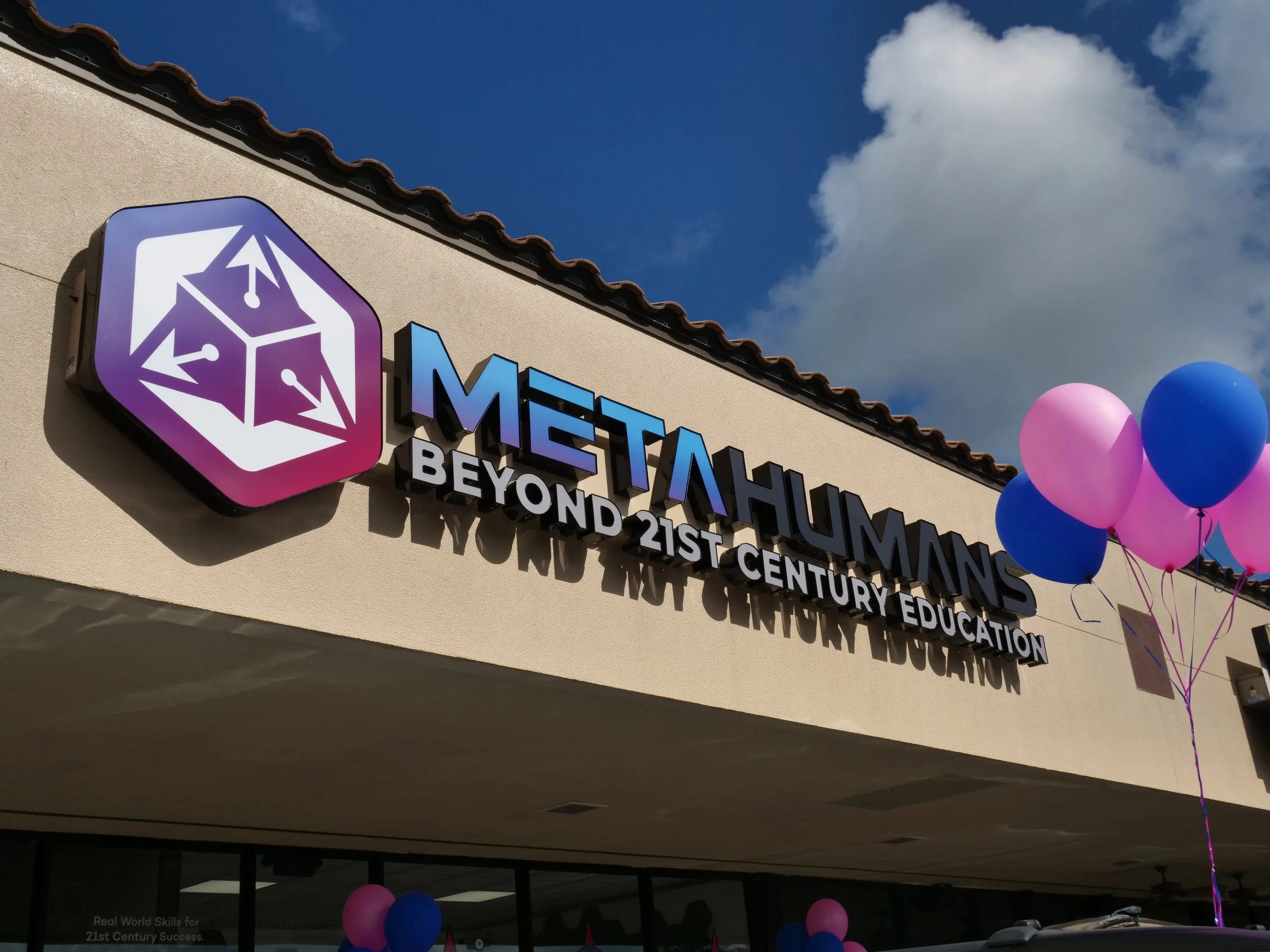
Run a Meta Humans HUB

Bring your space and your people. We bring the platform, the programs, the certification, and the standard.
A Meta Humans HUB can live almost anywhere: a family home, a co-op, a microschool, a library, a nonprofit, an after-school program at an existing school, a summer camp, or a full learning center built from scratch.
The deal is the same in every case: You operate locally, we provide the infrastructure that makes it work.
What a HUB is
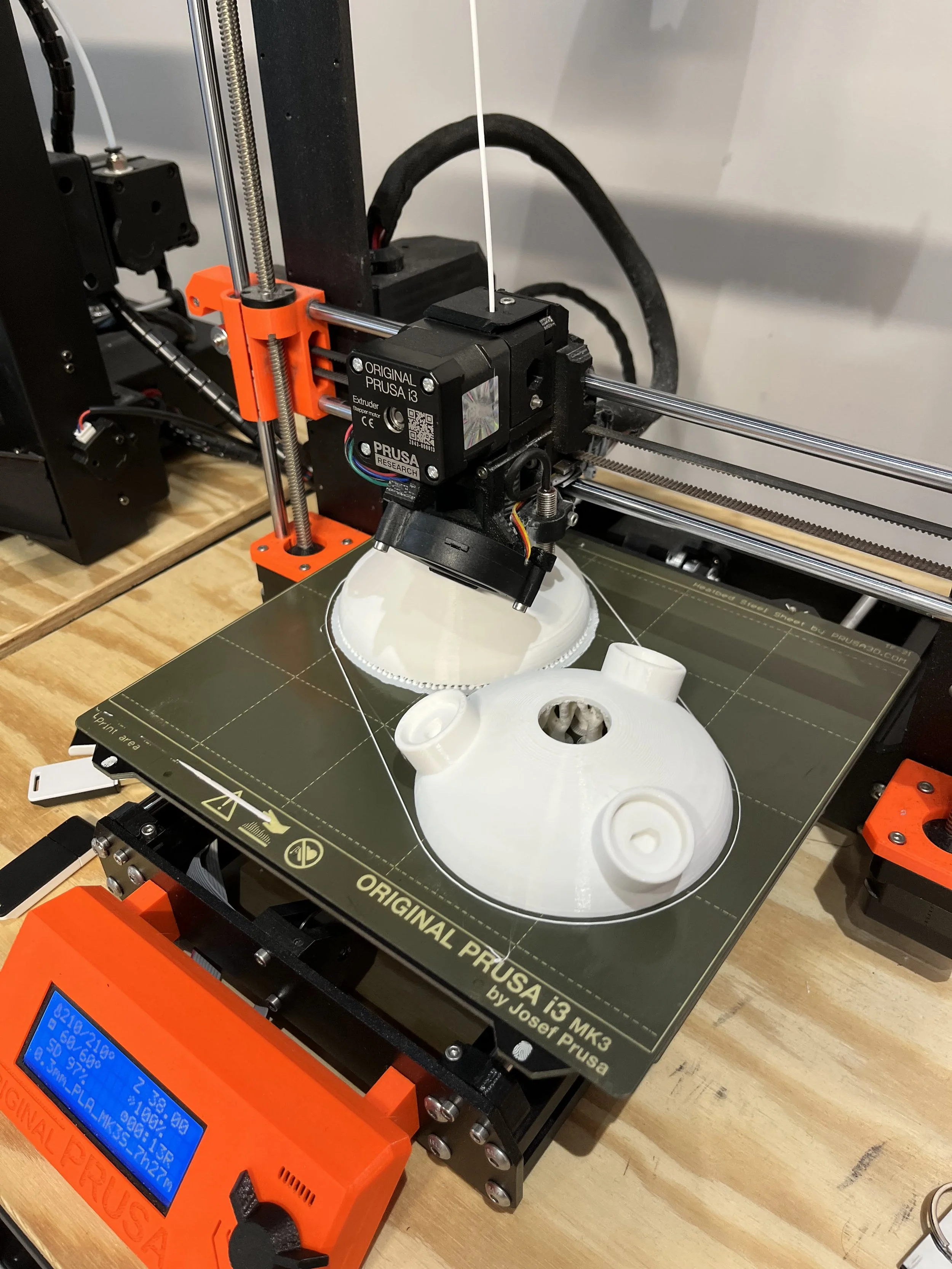
A HUB is a place where kids and teens learn through doing. Hands-on projects across cooking, coding, design, science, arts, philosophy, entrepreneurship, and more. Cross-age, in person, and built around relationships with trusted adults who know the learners well.
What makes a HUB a HUB is not its size or its setting. It's the method, the programs, the certification, and the standard that runs underneath. A family running a HUB out of a living room and a nonprofit running a HUB out of a 4,000 square foot facility are doing the same thing at different scales.
You decide who you serve, how you run your space, and what you charge. You are not a branch office. You are not a franchisee. You are an independent operator using the Meta Humans model under your own roof.
Who this is for
The same HUB license works across four very different starting points. Same platform, same programs, same certification, same price. What changes is what you're building it on top of.
A family or small co-op
A parent or small group of families running 3 to 10 kids out of a home or shared space, often including the operator's own children. Common in places where there are no good local options and families have been making do with online curriculum or driving long distances. Near-zero startup cost. The HUB gives a family operation the programs, gamification, structure, and community that an isolated family or co-op can't build on its own.
An independent educator or microschool founder
A teacher, homeschool parent, or microschool founder opening a new in-person learning space. Often serving 15 to 40 members from a small storefront, a shared lease, or a converted space. The HUB gives a new operator a complete operational system on day one, instead of building from scratch.
Existing organization adding a HUB
A private school adding a STEM block. A public school running an after-school program. A library, a nonprofit, a community center, a homeschool co-op, a summer camp adding side activities. Organizations that already have a space, already have staff, and already serve children or families, and want to add the Meta Humans method, program library, and gamification layer to what they already do. This is one of the most common conversations we are having right now. The HUB folds into existing operations rather than starting from zero.
A full learning center
A serious operator building a larger center, equivalent to our own Altamonte Springs location in Florida. 30 to 80+ members with a team of guides. A real business with real margins and a real buildout. The HUB gives a center operator the platform, the programs, and the community they would otherwise have to develop in-house over years.
What it costs to operate
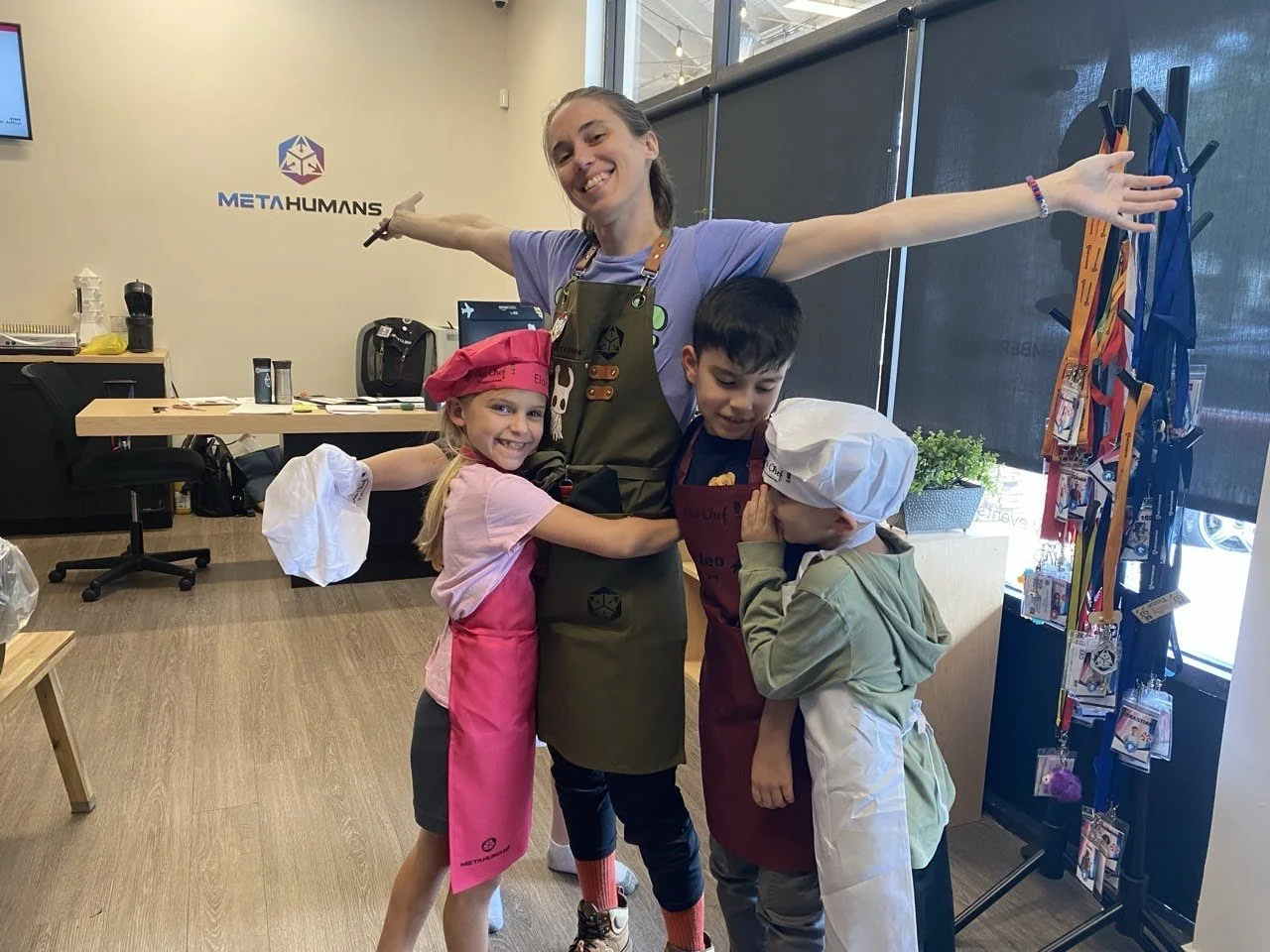
The price is the same regardless of how you host your HUB. Flat fees, no revenue share, no per-student fee, no territorial buy-in, no royalty on growth.
One-time operator onboarding $500
Monthly hub license $500
Additional guide certifications (beyond your own) $250
Guide continuing education (from year two) $200 per guide per year
The $500 onboarding includes your own certification as a guide, full platform access during setup, and starts a 60-day window to open your HUB.
The $500 monthly license begins the day your HUB opens, not before. If you take 45 days to open, you pay nothing during those 45 days beyond the one-time onboarding fee.
Pricing shown is the US baseline. Hubs operating in other regions pay an indexed rate based on local economic conditions.
The economics, across hub types
We've watched the math work at every scale. The numbers below are rough ranges, not promises. Your actual numbers depend on your location, your pricing, your enrollment, and your operating costs.
| HUB type | Startup capital | Typical members | Monthly gross revenue | Notes |
|---|---|---|---|---|
| Family or small co-op | Near zero | 6 to 15 | $3,000 to $7,000 | Often the operator's own kids included. Lifestyle income. |
| Existing organization adding a HUB | Near zero | Folds into existing enrollment | Adds to existing P&L | Uses existing space and staff capacity. |
| Independent microschool | Low to moderate | 15 to 40 | $7,000 to $20,000 | Storefront or shared lease. |
| Full learning center | ~$70,000 | 60+ | $22,000+ | Owner-operator at your own center has the most potential for ROI. |
How this compares to a franchise
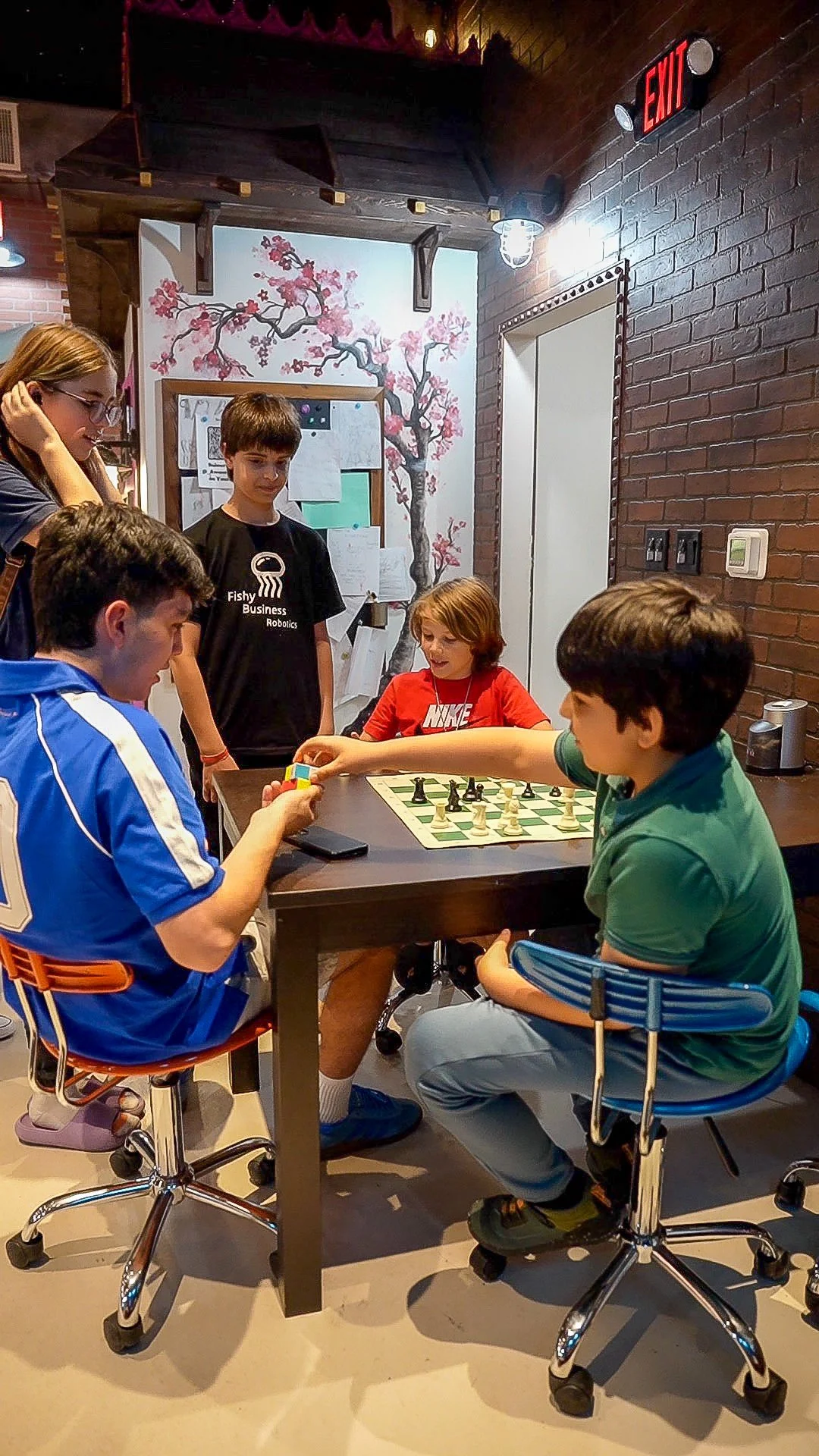
For operators considering franchise alternatives, here's how the math looks.
| Meta Humans HUB | Typical education franchise | |
|---|---|---|
| Entry fee | $500 | $40,000+ |
| Ongoing | $500/month flat | 10–12% of gross revenue |
| Per-student fees | None | Varies |
| Revenue share on growth | None | Yes |
| Territorial restrictions | None | Yes |
| Decisions about how to run it | Yours | Theirs |
What's included in the license
Your monthly license gives you everything you need to operate a HUB, regardless of where or how you host it.
The full Meta Humans operating platform: member management, scheduling, check-in, communications, gamification, parent portal, reporting, and tour booking
Access to every program in our library, available to every HUB from day one. No tiered access.
A new term schedule published every six weeks, which you can use as-is or customize for your hub
Certification for your guides and continuing education for your team
Access to the operator community where the people running HUBS around the country talk shop
The right to operate under the Meta Humans brand and to list your hub in our public directory
We provide the infrastructure. You choose how much of it you want to use and run your HUB the way you want.
What we don't do
We don't tell you how to teach. We don't dictate your schedule. We don't set your prices. We don't audit your enrollment. We don't take a percentage of anything. We don't restrict your territory. We don't require you to use our billing system. We don't replace your relationship with the families you serve.
Operator autonomy is the default. We give you something to build on, not something to comply with.
How to know if you're ready
A HUB operator is responsible for everything that happens under the Meta Humans name in their space: the families, the staff, the safety, the culture, the day-to-day execution. The level of effort scales with the size of the operation. A family running a Micro-HUB and a director running an Altamonte-scale center are doing very different jobs, but both carry real responsibility.
You are probably a good fit if you:
Want to work directly with kids and families in your community
Are willing to be a certified guide, or to certify the people on your team who work with members
Believe in-person, relationship-based learning matters and want to be part of building it at scale
Can take on the operational responsibility of running your HUB at the size you're choosing to run it
Are comfortable being responsible for the experience of real children in your community
You are probably not a good fit if you:
Want a turnkey passive product with no involvement
Are looking to franchise something and step back from operations
Want to design your own curriculum from scratch and adapt the Meta Humans model around it
Are uncomfortable with the certification and standards that come with the license
What happens after you apply
You submit an application. It takes about 20 minutes and asks about your background, your situation, and what you're trying to build.
We review and respond within two weeks. If we think the fit is right, we schedule a call.
If we both want to proceed, you sign the license agreement and pay the $500 onboarding fee.
Your 60-day window opens. You begin certification, configure your platform, complete a background check, and prepare your space (or integrate the HUB into the space you already operate).
You open your HUB. Monthly billing begins that day.
We are selective about who we onboard. Not because we're trying to gatekeep, but because every HUB carries the Meta Humans name to the families it serves. The wrong operator hurts every other operator in the network. We'd rather grow slowly with the right people.
We're onboarding our first cohort of external HUB operators starting in August. If you're interested, now is the time to apply.

Where you come-in
We've run this model for five years across two centers. We know it works. The next phase is helping people like you do it in your own community, on your own terms, in whatever space you bring to the work.
If that sounds like the right next step, we'd like to hear from you.
Tell us a bit about you and what you're thinking. We'll review your submission within two weeks and follow up by email. If the fit looks right, we'll schedule a call. There's no commitment at this stage.