
Why HUBS

Scaling relationship-based learning without standardizing it away
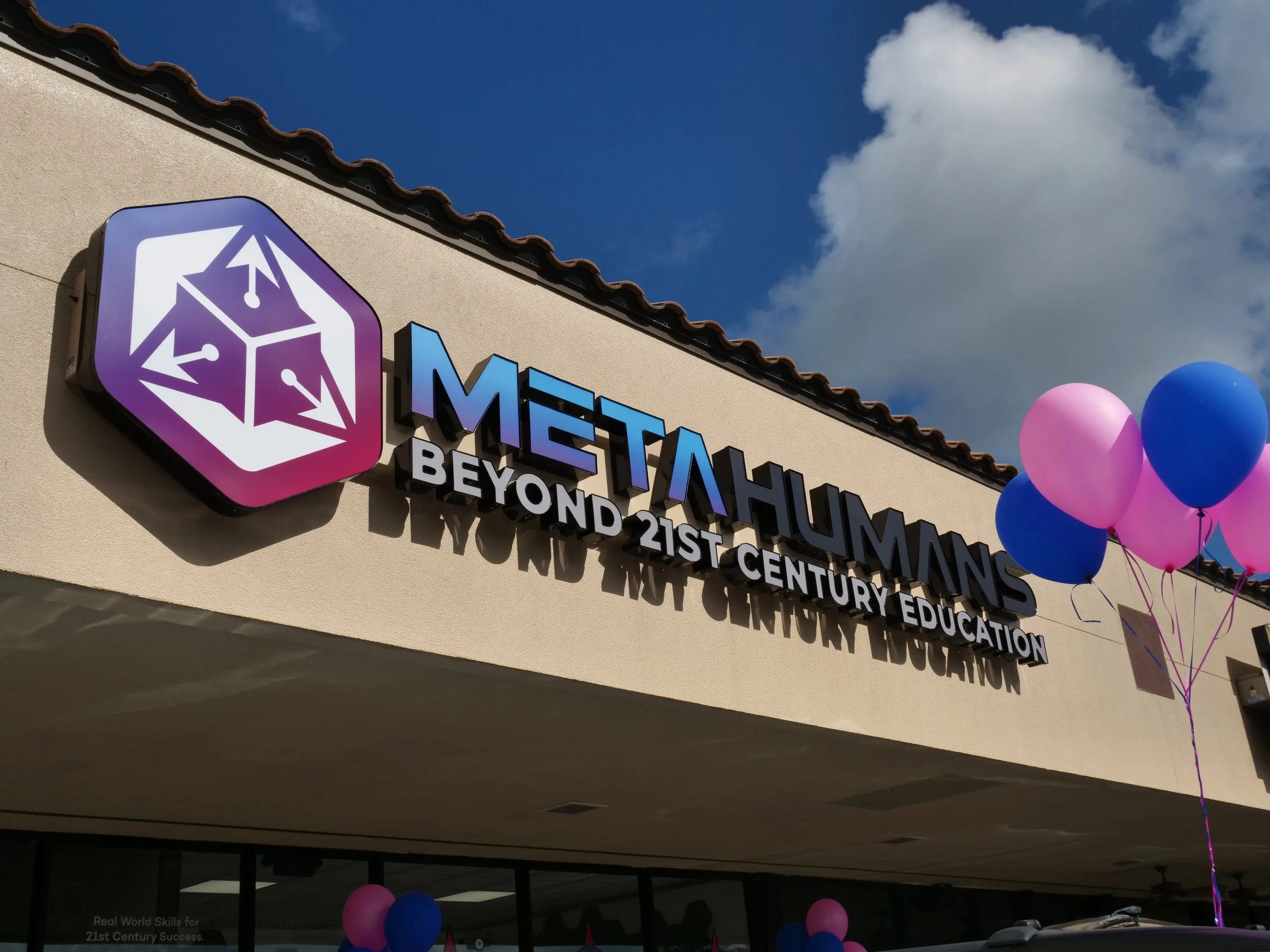
HUBS are Meta Humans’ way of growing without losing what makes the model work.
Instead of standardizing learning or franchising relationships, the HUBS model keeps decision-making local while sharing the tools, frameworks, and infrastructure that support quality at scale.
This page explains why that structure matters, and why it’s different from schools, franchises, or centralized networks.
The problem with scaling learning
The kinds of learning environments that work best for children tend to share the same qualities:
Personal - Relational - Adaptive.
They rely on judgment, trust, and human connection rather than rigid scripts.
Unfortunately, those qualities are also the hardest to scale.
Most education systems solve this by standardizing. As they grow, they introduce fixed curricula, uniform procedures, and centralized control. This makes systems easier to manage, but it also strips away the very things that made them effective in the first place.
Meta Humans was created in response to that tradeoff. The challenge now is how to grow without recreating it.
Why growth through single locations isn’t enough
Operating a small number of high-quality, corporate-run locations allows for deep relationships and strong alignment. It also severely limits reach.
If Meta Humans is meant to be more than a boutique model, it needs a different structure.
And why franchising breaks the model
Franchising is a common answer to this problem, but it assumes that the core value of an organization can be replicated through compliance and consistency.
That works when the product is uniform and outcomes are predictable. It fails when the value comes from human relationships, social judgment, and contextual decision-making.
In a learning environment like Meta Humans, strict replication would standardize away the very behaviors that make the model effective. Scripts would replace judgment. Metrics would replace relationships. Local nuance would be treated as deviation rather than strength.
Franchising scales the wrong things, that’s why it was rejected.
What HUBS do differently
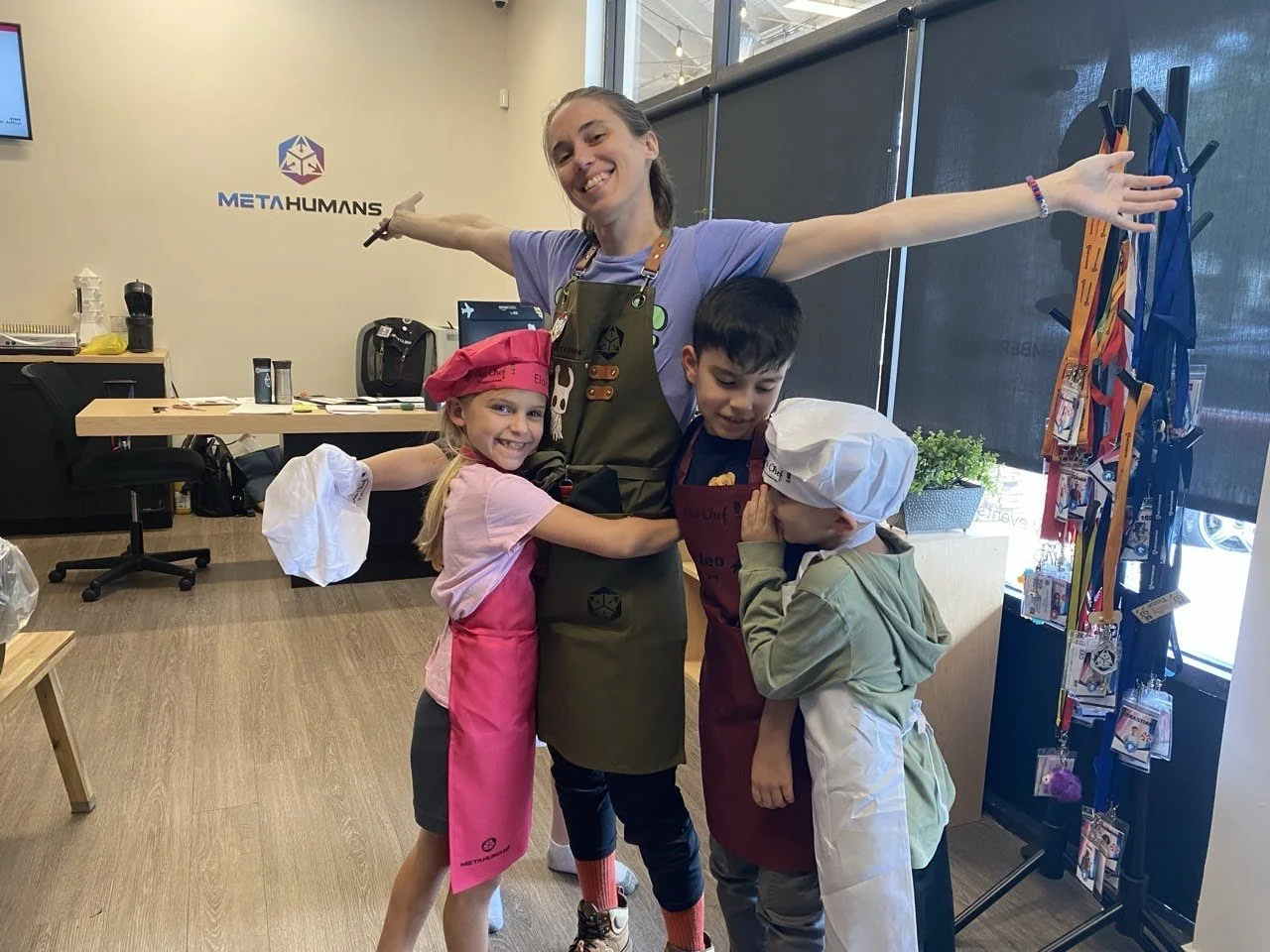
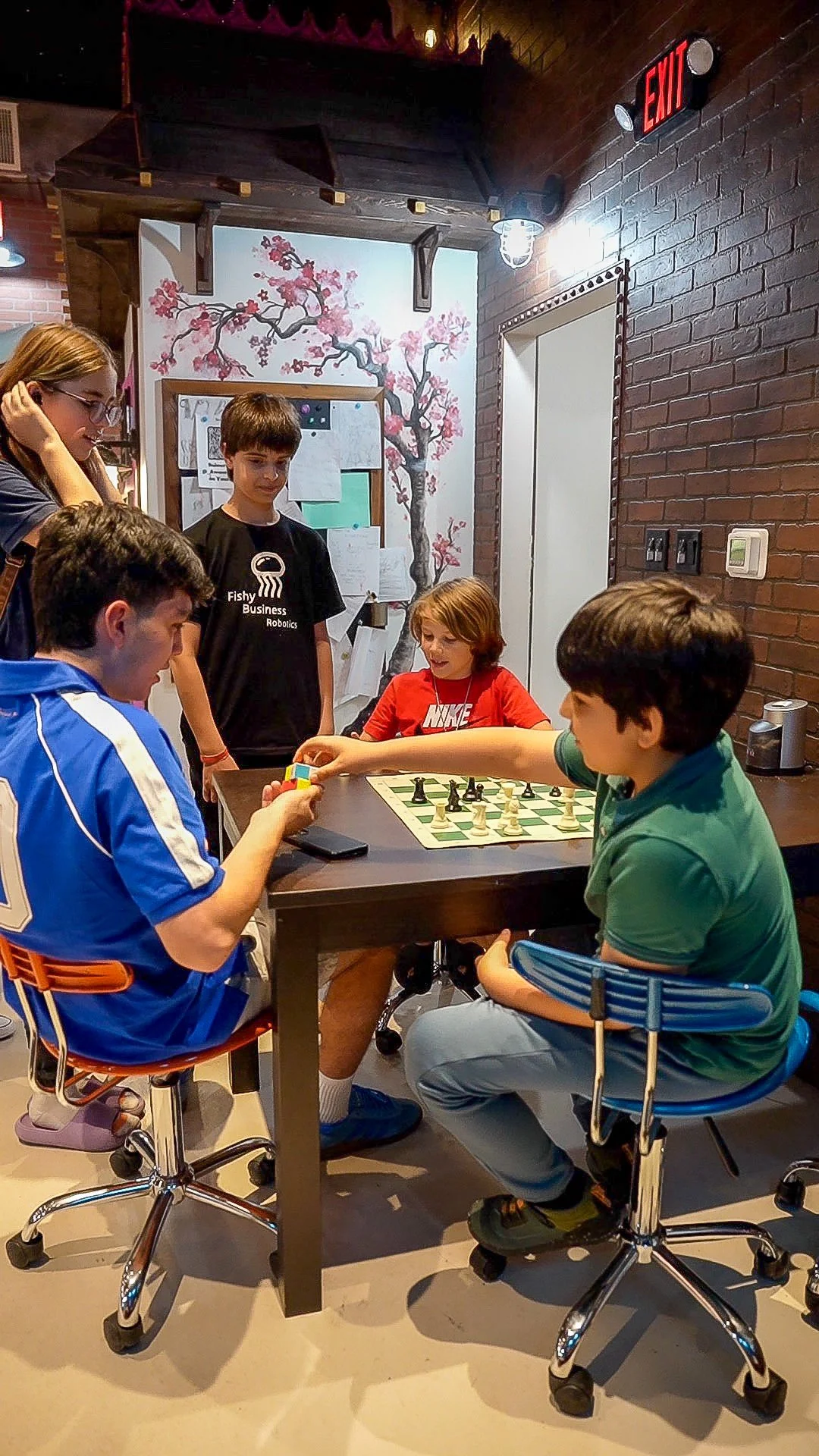
A Hub is locally operated by people who are embedded in their community.
They build trust with families, understand local needs, and adapt the environment to the people they serve. Decisions about culture, relationships, and day-to-day interactions remain local by design.
At the same time, Hubs are supported by shared infrastructure that removes the need to reinvent everything from scratch. Training, tools, systems, and common language are centralized where it makes sense, without dictating how relationships must look on the ground.
HUBS = Local people + shared infrastructure.
HUBS scale principles
What travels between Hubs is not a fixed program, but a shared understanding of what quality looks like, how learning unfolds, and how adults support children over time.
Alignment comes from intent and method, not from uniform execution.
This allows each Hub to look different, feel different, and serve different populations while remaining recognizably part of the same system.
This matters now
Families are increasingly opting out of standardized education, because those systems don’t fit their children. At the same time, educators are burning out inside centralized institutions that leave little room for judgment or care.
The need is not for more alternatives that copy school under a different name. The need is for learning environments that are human-scaled, locally grounded, and capable of growing without collapsing into bureaucracy.
HUBS are an attempt to meet that need responsibly through a decentralized, affordable, community-based approach.
Growth through maximizing reach & impact
Speed without integrity would undermine the model. HUBS allow growth to happen gradually, in partnership with aligned operators like you, while preserving the core conditions that make the environment work.
The goal is to maintain quality as reach increases.

Where you come-in
The HUBS model evolves with our community. Shared training, operational tooling, and documentation are being developed alongside real-world pilots. Evidence from existing locations is being translated into clearer frameworks and supporting materials.
HUBS are Meta Humans’ way of enabling collaborative community-led learning without losing what matters most.