
Run your learning community on the platform we built for ours

HUBS is the software and program library behind Meta Humans' own centers, licensed to independent educators who run learning communities under their own names.
What this is
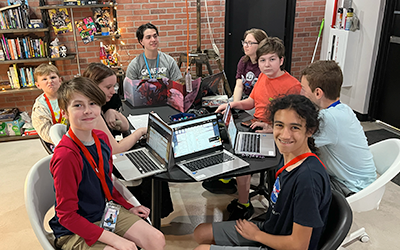
Since 2022 we've run full project-based learning days at our own Central Florida centers. To do it well, we had to build things that didn't exist: a platform for goals, evidence, schedules, and member progress; a library of programs and session briefs tested on a real floor; and a daily structure that holds up with a mixed-age room of twenty kids.
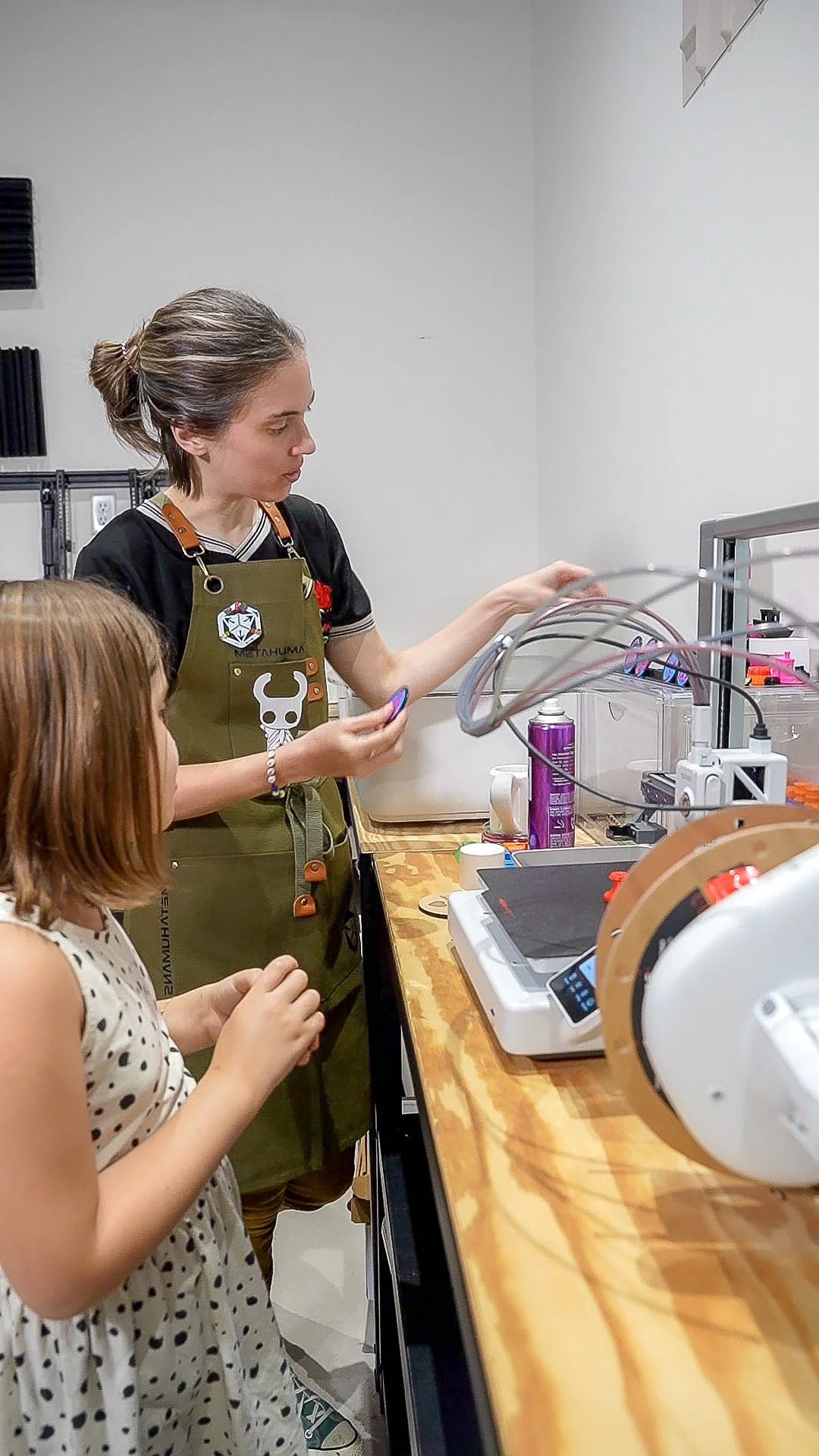
HUBS licensing makes that infrastructure available to independent operators. You run your own business, with your own name on the door, your own families, and your own judgment. We supply the platform, the program library, and optional training in how we run our days.
What it is not
This is not a franchise. We don't sell territories, take a share of your revenue, or tell you how to run your community. We don't find you students, and we won't project your income, because we don't know your market and neither does anyone selling you a projection. What we know is our tools, our programs, and what running this daily actually takes. That's what's on offer.
The direct answers are in the operator FAQ.
HUBS do not license curriculum. It’s infrastructure: shared language, documentation standards, and trust frameworks that allow learning communities to evolve independently.
Who it’s for
Educators and organizers who want to run an in-person learning community, typically 10 to 40 learners with a small team, and who'd rather start from working infrastructure than build software and a year of programming from scratch. Homeschool group leaders, microschool founders, former teachers striking out on their own: if that's you, we should talk.
The model’s must-haves
Local autonomy
In the HUBS model, learning is delivered by people, not systems.
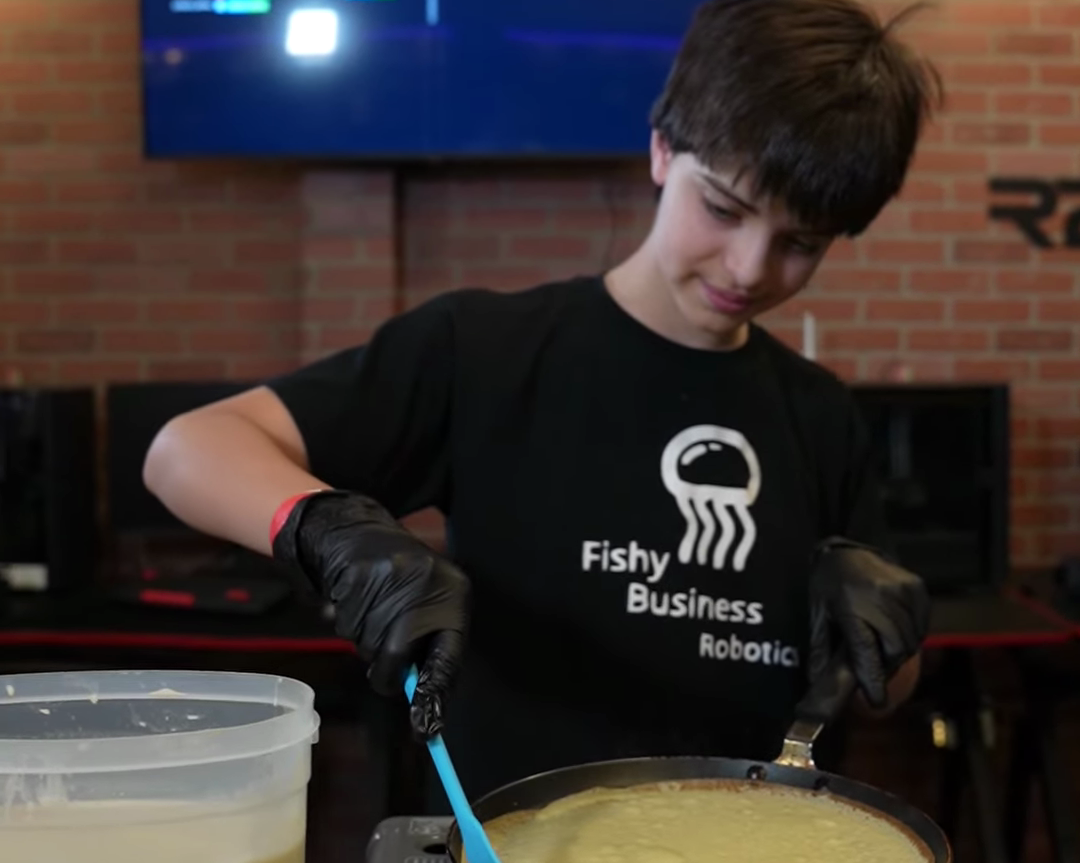
Each Hub is locally operated and responsible for its own culture, relationships, rhythms, and day-to-day decisions. Educators are not executing scripts or following centralized lesson plans. They are exercising judgment in real time, in response to the learners in front of them.
Autonomy is a requirement. Without it, the model collapses into replication and control.
Shared infrastructure
Autonomy alone does not scale.
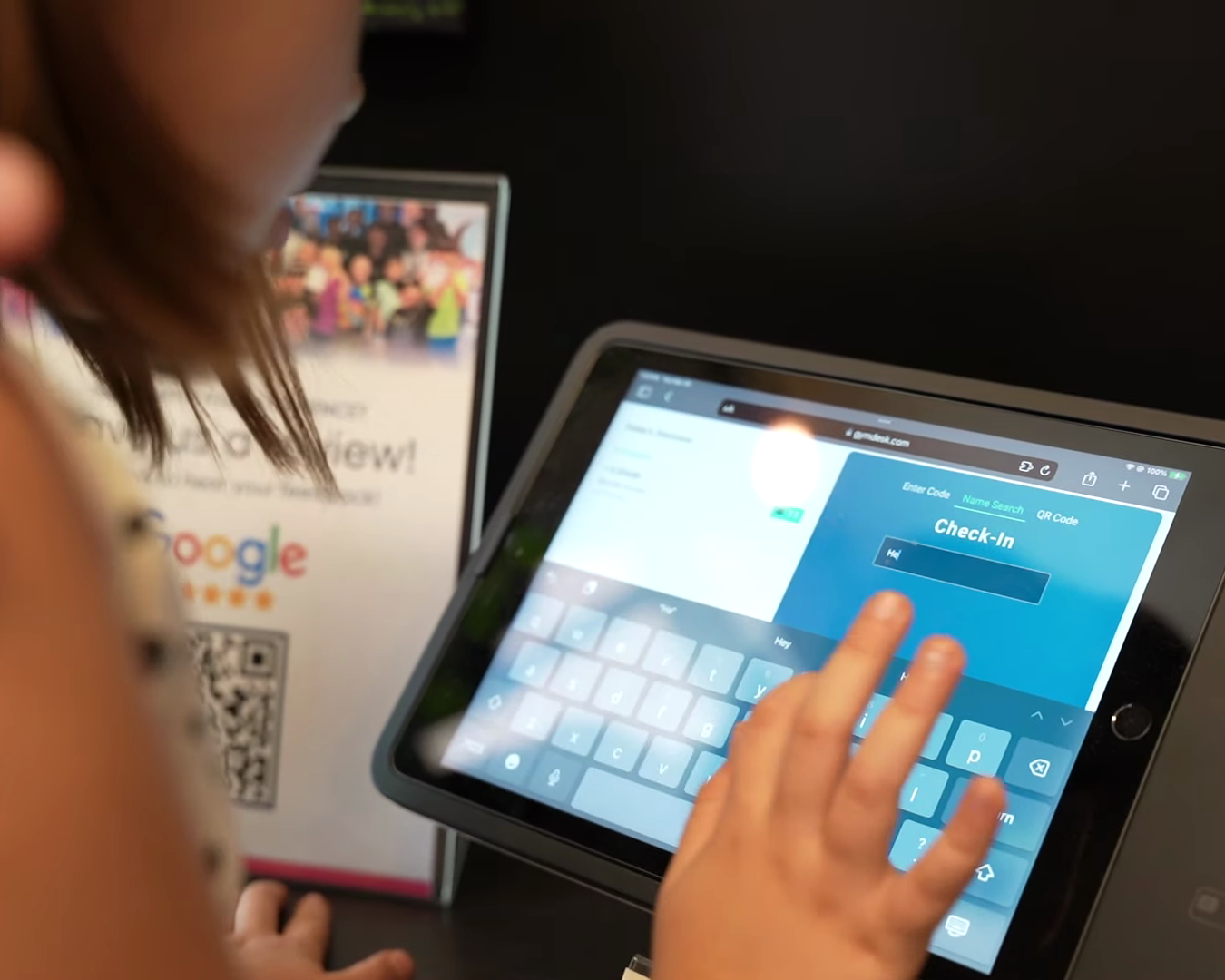
The HUBS model provides shared infrastructure so that operators are not starting from zero: it includes common standards for how learning experiences are structured, documented, and referenced across locations.
Shared HUBS systems reduce cognitive load and prevent isolation, while leaving room for local adaptation.
Interest list
Licensing is opening gradually while we work with our first operators. Leave your details and we'll reach out as capacity opens.